
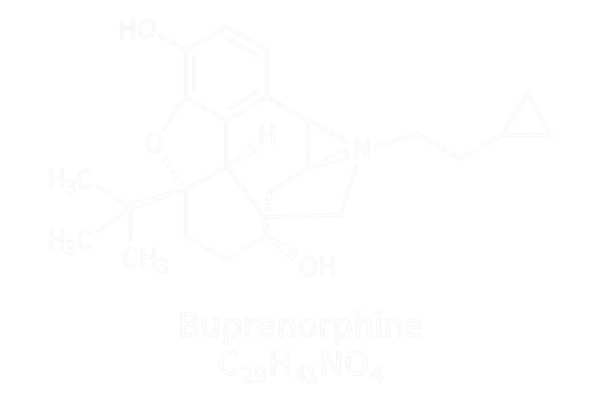
Buprenorphine is a partial opioid agonist used to treat opioid use disorder and, in some forms, to manage pain. It is often combined with naloxone in medications such as Suboxone to discourage misuse. Because it activates opioid receptors less strongly than full opioids, it carries a lower risk of slowed breathing when taken alone, but it still causes physical dependence. Over time, stopping can be difficult, and withdrawal symptoms may last longer than with shorter-acting opioids.
- Diverted from prescriptions and sold illegally
- Used to self-manage withdrawal from other opioids
- Taken with other depressants, increasing overdose risk
- FDA-approved treatment for opioid use disorder
- Pain management through skin patches or films placed in the cheek
- Given by injection in hospital settings for pain
- Daily films or tablets that dissolve under the tongue
- Weekly or monthly extended-release injections
- Gradual tapering when stopping treatment
Buprenorphine causes physical dependence with ongoing use, even when taken exactly as prescribed. Because it binds tightly to opioid receptors and stays in the body for a long time, withdrawal symptoms may start later and last longer than with many other opioids. Combining buprenorphine with alcohol, benzodiazepines, or other sedatives can cause dangerous breathing problems. Stopping suddenly can lead to significant discomfort, which is why discontinuation is best done with physician oversight, through supervised tapering or medical detox.
Fentanyl is a fully synthetic opioid up to 100 times stronger than morphine. Initially developed for managing severe pain, its potency makes it both effective and extremely dangerous when misused. In recent years, illicit versions of fentanyl have flooded the drug supply, often laced into counterfeit pills or heroin. Even microgram-level doses can be fatal without proper medical supervision.
- Illegally manufactured and sold as powder or counterfeit pills
- Often mixed into heroin or other drugs without the user’s knowledge
- Used recreationally for intense, fast-acting high
- Administered intravenously in surgical and critical care settings
- Used for short-term pain relief under hospital supervision
- Managed carefully in intensive care for sedation and pain
- Delivered via patches, lozenges, or nasal sprays
- Used in end-of-life care to manage severe chronic pain
Fentanyl builds tolerance rapidly due to its high potency and fast-acting nature. With ongoing use, the body adapts—requiring more frequent or higher doses to achieve the same effect. Dependence can form quickly, even with legitimate medical use. Illicit use increases the danger, as users may not know the exact strength or ingredients involved. Once dependent, the body begins to rely on fentanyl to function normally, making unsupervised withdrawal extremely difficult and medically risky.
Heroin is an illegal, highly addictive opioid derived from morphine. Known for its rapid effect on the brain, it produces intense euphoria followed by sedation. It’s often injected, snorted, or smoked. Heroin is frequently mixed with fentanyl or other substances, increasing the risk of overdose. Its illegal status and unpredictable potency make it especially dangerous and difficult to quit without medical intervention.
- Recreational injection use
- Street drug for euphoric high
- Rapid onset desired by users
- Not used in medical settings
- Illegally used in high doses
- Often mixed with fentanyl
- No clinical use in U.S.
- Historically used for pain
Heroin causes physical dependence quickly due to its strong impact on the brain’s reward system. After just a few uses, the brain begins to adapt, reducing its natural production of feel-good chemicals. Users must take more heroin to achieve the same effect, leading to increased tolerance. As dependence deepens, the user may need heroin simply to feel “normal.” Abruptly stopping can lead to severe withdrawal symptoms, including pain, nausea, and psychological distress.
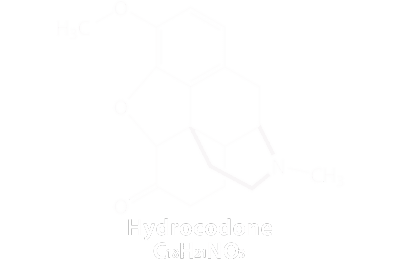
Hydrocodone is a semi-synthetic opioid commonly prescribed for moderate to severe pain. It’s one of the most frequently dispensed painkillers in the U.S. and often combined with acetaminophen in medications like Vicodin. Though it begins as a legitimate prescription, hydrocodone carries a high risk of dependence, especially with prolonged use. Over time, patients may develop tolerance and experience withdrawal when attempting to stop.
- Crushed and snorted for rapid effects
- Combined with alcohol or other depressants
- Misused to prolong sedation or euphoria
- Administered in post-surgical recovery
- Short-term pain relief
- Emergency pain control
- Chronic pain under physician care
- Dental or post-operative pain
- Injury-related prescriptions
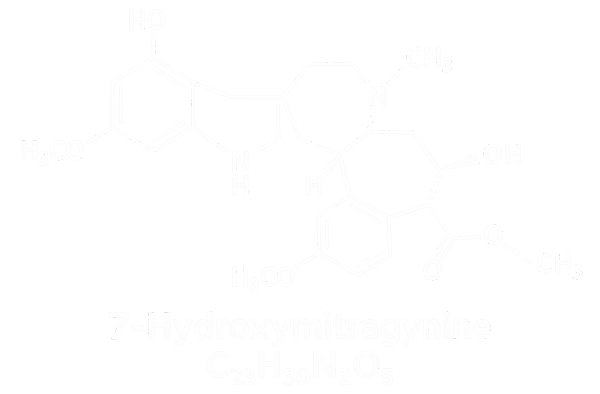
Kratom comes from the leaves of a Southeast Asian tree and contains compounds that act on opioid receptors. One of these compounds, 7-hydroxymitragynine, is often sold on its own as 7-hydroxy and is more potent than the main compound in kratom leaf. Concentrated 7-hydroxy products are sold in smoke shops, gas stations, and online as tablets, drinks, and extracts. Kratom and 7-hydroxy are not approved by the FDA for any medical use, and regular use can lead to tolerance, dependence, and withdrawal.
- Taken for energy at low doses
- Used for sedation or euphoria at higher doses
- Concentrated 7-hydroxy products used for stronger effects
- Used to self-manage chronic pain
- Taken to ease withdrawal from other opioids
- Used in an attempt to ease anxiety or low mood
- Not approved by the FDA for any medical use
- Not prescribed as a treatment by physicians
- Often sold as a supplement, with unreliable strength and purity
With regular use, the body adapts to kratom and 7-hydroxy, and higher amounts are needed to feel the same effects. Because product strength varies widely and labels may not be accurate, it can be hard to know how much is being taken. People who use 7-hydroxy products daily may develop dependence similar to other opioids and experience withdrawal when they stop. Combining these products with alcohol, sedatives, or other opioids increases the risk of serious harm. A medical evaluation can help determine the safest way to stop.
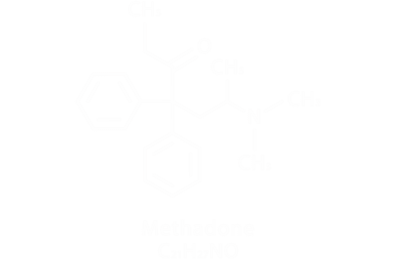
Methadone is a long-acting synthetic opioid used to manage chronic pain and treat opioid use disorder. While effective in stabilizing patients during recovery, it can also lead to dependence—especially when used long term or outside of structured programs. Methadone’s extended half-life means withdrawal symptoms may be delayed but prolonged.
- Misused for its sedative effects
- Combined with other opioids to reduce withdrawal
- Taken recreationally in high doses
- Long-term maintenance therapy for opioid use disorder
- Pain management in inpatient settings
- Post-operative pain control when other opioids are ineffective
- Medically assisted treatment (MAT)
- Chronic pain management
- Gradual tapering from other opioids
Methadone builds physical dependence over time, even when used as prescribed. Because it remains in the system longer than other opioids, it can mask early signs of withdrawal and create a false sense of stability. As tolerance increases, patients may need higher doses to maintain effectiveness, especially in pain management. Stopping methadone suddenly can trigger intense and drawn-out withdrawal symptoms. These effects can last several days to weeks, making self-detox risky.
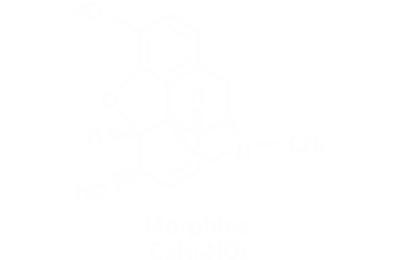
Morphine is a natural opiate derived from the opium poppy and has long been used for managing moderate to severe pain. While medically effective, morphine carries a high risk for dependence and tolerance when used regularly. It works by binding to opioid receptors in the brain, altering pain perception—but over time, the body becomes reliant, making withdrawal and discontinuation physically and emotionally challenging.
- Crushed and injected or snorted recreationally
- Misused for its euphoric and sedative effects
- Sought after for intense, short-term pain relief
- Used in emergency rooms and surgical recovery
- Administered via IV in inpatient settings
- Common in palliative and hospice care
- Prescribed for cancer-related or chronic pain
- Used following surgeries or severe injury
- Managed through extended-release formulations for daily control
With continued use, morphine can lead to significant physical and psychological dependence. The body adjusts quickly to its effects, requiring higher or more frequent doses to achieve the same level of pain relief. As tolerance increases, stopping morphine suddenly may cause severe withdrawal symptoms—especially for those who have taken it long-term. Dependence can develop even when taken as prescribed, making supervised tapering or medical detox the safest path. Unmanaged withdrawal often leads to relapse.
Oxycodone is a semi-synthetic opioid prescribed to treat moderate to severe pain. Known for its potency, it is commonly used in both short-term post-operative care and long-term chronic pain management. Despite its medical utility, oxycodone has a high potential for abuse and dependence. Misuse, even by those with valid prescriptions, can lead to addiction and difficult withdrawal symptoms without proper support.
- Crushed and snorted or injected for rapid euphoric effect
- Misused recreationally for its intense sedation
- Often sourced illegally or diverted from prescriptions
- Used in hospital settings for surgical pain
- Administered post-trauma or in intensive care
- Carefully monitored in inpatient environments
- Prescribed for chronic back, joint, or cancer-related pain
- Managed in extended-release form for long-term care
- Short-term use after surgery or injury
Oxycodone can quickly lead to tolerance, especially with prolonged use. The brain adjusts to its presence, requiring more of the drug to produce the same level of pain relief or euphoria. Over time, the body becomes physically dependent—resulting in withdrawal symptoms if the drug is reduced or stopped. Dependence may develop even with appropriate use, particularly in high-dose or long-term treatment plans. Abrupt discontinuation can lead to severe symptoms that are best managed under medical supervision.